
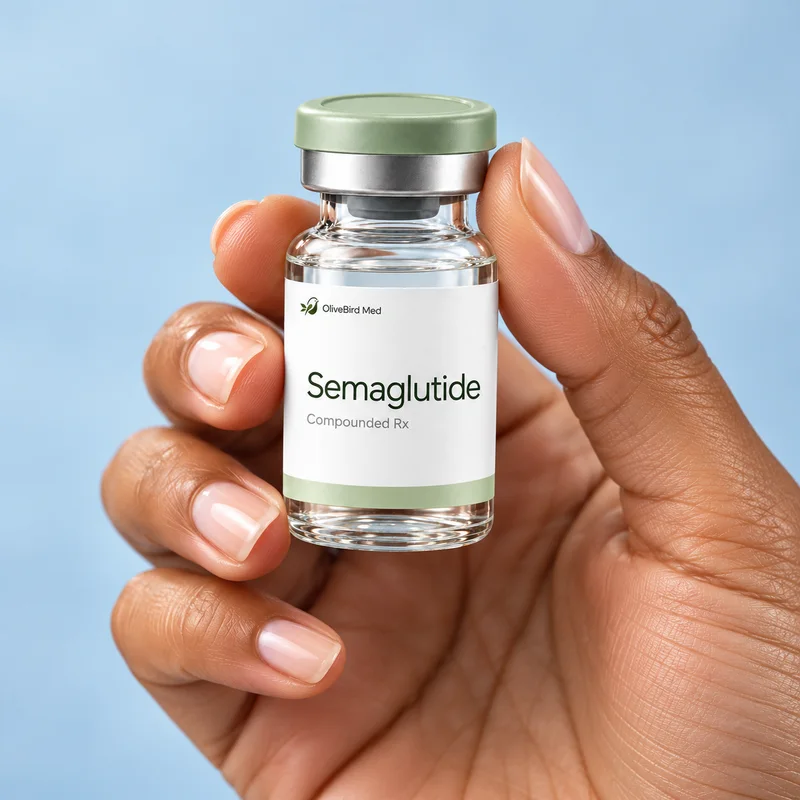
Approval is an important distinction
Compounded medicines are not FDA-approved. FDA does not evaluate their safety, effectiveness or quality before marketing. Compounding can meet particular medical needs, but it also carries risks, including contamination and incorrect amounts of an ingredient. A familiar ingredient name does not establish that a compounded product is equivalent to an approved medicine.
Ask why this option is being considered
For compounded GLP-1 medicines, FDA recommends use only when a patient's medical needs cannot be met by an FDA-approved drug. Discuss approved options, your individual needs and the reason for any proposed compounded formulation with your clinician. A lower price alone is not a clinical assessment.
Know who is responsible for your care
Before starting, ask who will prescribe, which pharmacy will dispense, and how you can reach each of them. Ask what follow-up is appropriate and whom to contact about an unexpected symptom or a concern with the medication you receive.
On OliveBird Med, provider and pharmacy details are listed on the medical-team page. The public website is not the medical practice or dispensing pharmacy.
Make the label part of the conversation
Ask your pharmacist to explain the label, storage requirements, device and instructions. If anything is unclear, resolve the question with your clinician or pharmacist before using the medicine. Product photographs on a marketing page do not establish your dose or the contents of your prescription.
This guide is a starting point for questions, not a treatment recommendation. Read the safety information and discuss your individual circumstances with a licensed clinician.